
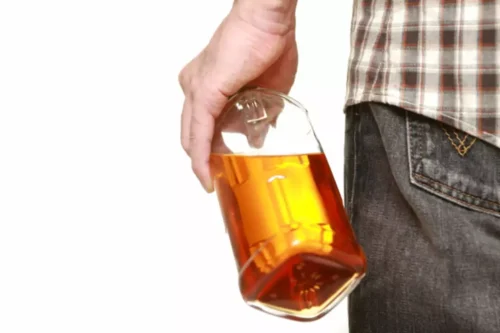
When people struggling under the weight of chronic loneliness seek solace in Alcoholics Anonymous the arms of substances, it can unknowingly intensify the very challenges they seek to escape. The intricate dance between loneliness and substance use disorder sets the stage for a self-perpetuating cycle that can be extremely difficult to break. Based on our findings, having good social relationships and not feeling lonely may promote health by reducing the levels of certain harmful proteins.
Physical Health Consequences of Loneliness and Substance Abuse
Still, with such a large sample size, the study’s results likely hold up for the average person, de Groot said. It’s a similar story in cardiovascular medicine, she explained, where researchers have discovered that depression can crop up both before and after cardiac events. For example, these “disruptions” could be shocks to one’s perceived identity or changes to their social life or work after becoming sick, he explained. This is significant, as depression affects about 280 million people globally.
- Loneliness, as a standalone emotional state, can contribute to feelings of isolation from social connection and a sense of disconnection from the world.
- Depression is a chronic illness usually requiring long-term treatment, like diabetes or high blood pressure.
- The link between alcohol and depression is stronger than many people realize.
- Alarmingly, if you feel lonely chronically, you are at a significantly increased risk for developing mental disorders such as depression and anxiety, as well as substance use disorders.
Tips on how to socialise without drinking alcohol

Major depression and alcohol use disorder are also co-dependent in women, research suggests. Women with depression are also more likely to engage in binge drinking. The aforementioned depressive disorders each have slightly different diagnostics criteria. If you quit drinking after heavy alcohol use, you might experience loneliness because of changes to your circumstances that happened as a result of the alcohol use disorder. For some people, does alcohol make depression worse the loneliness might be because they no longer have the alcohol to push down their feelings or to act as a distraction.
Why You Should Not Treat Anxiety With Alcohol

When alcohol hits the brain, it triggers a number of changes, including the release of the body’s feel-good chemicals. This is why, at first, alcohol can make our brain experience relief from distress. But “the rebound effect is that it can actually exacerbate” negative emotional states, says Amy Goodwin, an addiction counselor at UCHealth in Steamboat Springs, Colorado. However, the results of additive and multiplicative interactions indicated that the synergistic effect of heavy alcohol consumption and depression on all-cause and cause-specific mortality did not reach statistical significance. In the journal American Family Physician, experts also say they might ask their patients to describe how often they engage in episodes of binge drinking. Those who are attempting to regulate their mood might be likely to drink a great deal at once, and that could indicate that depression is playing a role.
- Among all drinkers who have heard of these studies, 41% say they plan to reduce the amount they drink either a lot (11%) or a little (30%) due to the findings.
- Even though drinking can sometimes make you fall asleep quicker, it often leads to a rough and unrefreshing night, disrupted by needing to use the toilet more or feeling thirsty throughout the night.
- This hangover anxiety, or “hangxiety,” can arise for many reasons, including mild withdrawal from alcohol, interrupted sleep, poor dietary choices, and shame or regret.
- Understanding how alcoholism and depression intertwine could also be useful for you, as the knowledge might help you recognize a problem and get appropriate care.
- In addition to the physical symptoms, dehydration triggers the release of stress hormones, impacts neurotransmitters, and disrupts cognition (thinking ability), all of which can contribute to feelings of anxiety or panic.
- Satisfying social relationships are essential for mental and physical well beings.
Therefore it is important to intervene at the right time to prevent loneliness, so that physical and mental health of patients is maintained. Fortunately, several important ongoing studies will help answer some remaining questions regarding the treatment of coexisting depressive or anxiety disorders in the context of alcoholism. The COGA investigation will gather more data regarding potential alcoholic subtypes and will continue to explore possible genetic linkages between alcohol dependence and major depressive and major anxiety disorders. Certain ongoing treatment studies also are further evaluating the potential usefulness of buspirone, some specific anti-depressants, and other medications that affect brain chemicals as potential components for treating alcoholism.

Addressing problem drinking
If you’ve ever used alcohol to deal with feelings of depression, you may have found that after your buzz wears off, you’re left feeling even lower than before. By following safe drinking guidelines, you can help reduce your risk for depression as well as other hangover symptoms. The only certain way to prevent depression after drinking is to avoid alcohol entirely. You can, however, take steps to lower your chances of emotional side effects when drinking. Taking some time for productive relaxation can also help ease feelings of depression.
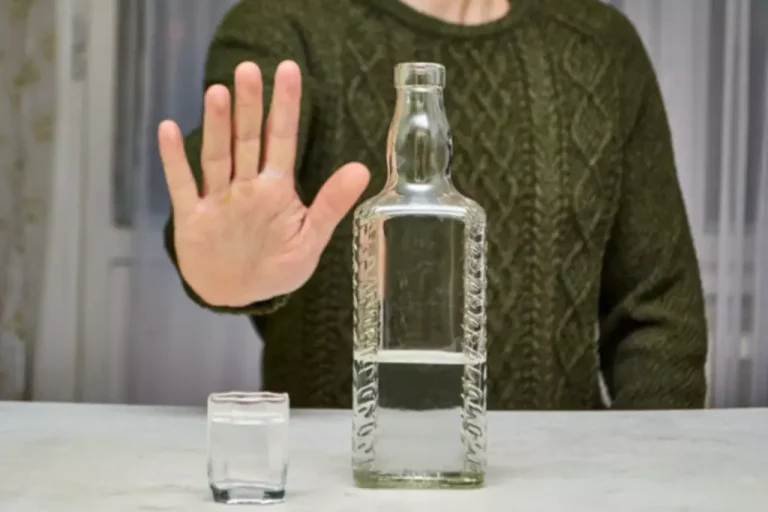
Since the time of dawn, loneliness is perceived as a global human phenomenon. Loneliness can lead to various psychiatric disorders like depression, alcohol abuse, child abuse, sleep problems, personality disorders and Alzheimer’s disease. Left untended, loneliness can have serious consequences for mental and physical health of people.
- The great news is that there is an easy way to quit alcohol – all you need to do is follow some simple instructions and you can find it easy and actually enjoyable to quit.
- Research cited in an article published in Current Psychiatry Reports makes the link between depression and drinking quite clear.
- But often, it does more harm than good — especially in the case of binge drinking.
- The interactions between alcoholism and these disorders are evaluated by posing a series of questions, and the reader is encouraged to review the articles cited in the reference list.
- By acting now, we can make a difference in the lives of millions of people struggling with addiction and loneliness.

”, the answer is yes—alcohol consumption can directly worsen both conditions by altering the brain’s chemical and structural balance. After binge drinking, individuals often experience extreme mood swings, leading to feelings of guilt, shame, or sadness. These emotional crashes can trigger or worsen depressive episodes, feeding into the harmful cycle of alcohol and depression. Alcoholism, depression, and anxiety can all make you feel like you’re drowning. It can be overwhelming to deal with mental health, and alcohol can seem like an easily accessible escape, but there is relief and recovery beyond the short-term effects of alcohol.
Emotional Distance
«Drinking provided a wonderful escape from my own head. I felt more laid back. But the next day, I always felt horrible and I’d swear off drinking,» she says. You may not realize how much alcohol you’re actually drinking in a week. A good first step is to keep a record of how much alcohol you drink and of when you don’t drink throughout the week.
Expected duration of alcohol withdrawal
According to Mental Health America, one in three people with depression also has some form of substance abuse or dependence. Unfortunately, alcoholism symptoms can be similar to the symptoms of depression, and that can mean some people with depression are simply unaware that they are attempting to regulate a mental health problem with alcohol. The negative effects of alcohol on mental health are often underestimated. While some people may mistakenly use alcohol in an attempt to self-medicate, its short-term and long-term effects are damaging and can lead to worsening mental health conditions. Sleep deprivation is a significant contributor to both anxiety and depression, which often leads people to wonder, “Does alcohol cause depression and anxiety? The lack of restful sleep, combined with alcohol’s depressive effects on the brain, contributes to feelings of sadness, irritability, and fatigue.
0 comentarios